
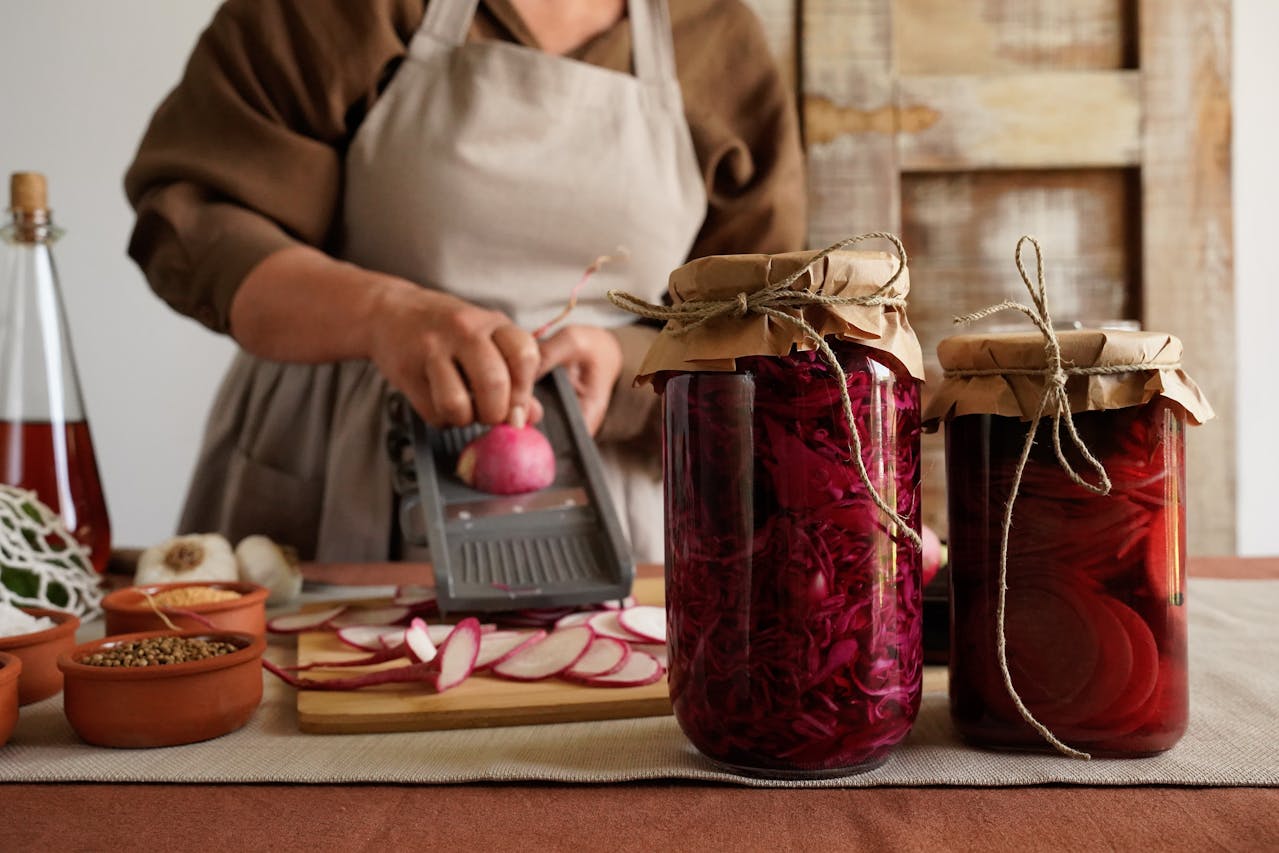
Struggling with gut issues, low energy, or bland meals? Adding fermented foods can be a simple, powerful fix that improves digestion, immunity, flavor, and more. Here are ten practical benefits and how to apply them every day.
Boost Digestive Balance and Comfort
Fermented foods introduce live bacteria that help balance your gut microbiome, which supports regular digestion and can ease occasional discomfort. Start small, a tablespoon of sauerkraut or kefir with a meal, then increase as your tolerance improves.
Consistent exposure to a variety of strains trains your gut to process food more efficiently, reducing gas and irregularity over time. Aim to include a fermented item with one meal daily to build a steady routine.
Pro Tip: If you have sensitive digestion, introduce fermented foods on alternate days and track symptoms for two weeks to find your ideal amount.
Strengthen Your Immune System
About 70 percent of immune activity lives in the gut, and fermented foods support the friendly bacteria that communicate with immune cells. Regular intake can help your body respond more calmly to common threats like colds or seasonal bugs.
Choose diverse fermented sources such as yogurt, kimchi, kombucha, or miso to expose your system to different beneficial strains. Pair them with fiber-rich foods to feed those microbes and amplify the immune benefit.
Quick Tip: Add a spoonful of live yogurt or miso to evening meals when your immune system repairs and regenerates overnight.
Enhance Nutrient Absorption
Fermentation breaks down anti-nutrients like phytates and increases the bioavailability of minerals such as iron, zinc, and calcium. That means you get more usable nutrition from the same foods.
Combine fermented foods with nutrient-dense dishes, for example serve kimchi alongside iron-rich greens or top a salad with kefir dressing. This simple pairing boosts absorption without extra supplements.
Expert Insight: If you rely on plant-based sources for minerals, include fermented elements daily to improve how well your body extracts those nutrients.
Support Mental Clarity and Mood
The gut and brain talk constantly via the gut-brain axis, and a balanced microbiome can influence neurotransmitter production that affects mood and focus. People often report clearer thinking after adding fermented foods regularly.
Keep servings modest and routine, like a small kombucha mid-afternoon instead of sugary snacks, to avoid jitters while supporting steady cognitive energy. Over weeks, the improved gut signals can stabilize mood swings and enhance concentration.
Insider Tip: On days when you need mental focus, choose fermented foods lower in sugar such as plain yogurt or sauerkraut to avoid energy crashes.
Promote Heart Health and Better Cholesterol
Certain fermented dairy and plant foods have been shown to support healthy cholesterol levels and blood pressure. The probiotic strains can help metabolize bile acids and influence lipid profiles positively.
Include fermented dairy like live yogurt, or try fermented plant options that are low in salt, to support heart metrics without drastic dietary changes. Pairing these with whole grains and vegetables maximizes protective effects.
Heads Up: If you monitor sodium intake, rinse some fermented vegetables briefly or choose lower-salt varieties to keep heart benefits without extra salt.
Aid Healthy Weight Management
Fermented foods can help regulate appetite hormones and improve metabolic signals, which may support weight goals when combined with portion control. They add flavor and fullness with relatively low calories.
Swap calorie-dense condiments for fermented options like salsa, kimchi, or vinegar-based pickles to cut excess calories while enhancing satisfaction. Small, regular servings help you feel full longer and reduce snacking urges.
Worth Knowing: Use plain kefir or yogurt as a base for smoothies to add tang and probiotics without adding unnecessary sugars that can counter weight goals.
Increase Variety and Flavor in Meals
Fermented foods bring acidity, umami, and crunch, elevating ordinary meals without complex cooking. A spoonful of sauerkraut or miso can transform simple vegetables, grains, or proteins into satisfying dishes.
Experiment by adding fermented ingredients to dressings, marinades, or toppings. This increases your meal enjoyment and makes healthy choices feel indulgent rather than restrictive.
Pro Tip: Keep a jar each of fermented vegetables, miso paste, and plain yogurt on hand to add flavor and nutrition to any meal in seconds.
Support Skin Health and Reduce Inflammation
Balanced gut microbes help regulate systemic inflammation, which is often reflected in skin conditions like acne, eczema, or redness. Fermented foods can be part of a plan to calm skin from the inside.
Combine fermented foods with anti-inflammatory basics such as leafy greens, omega-3 rich foods, and adequate hydration for more visible results. Track changes over several weeks to notice improvements in texture and clarity.
Quick Tip: Swap sugary beverages for kombucha or diluted kefir to reduce dietary inflammation while still enjoying a tasty drink.
Preserve Food Naturally and Reduce Waste
Fermentation extends the life of seasonal produce so you can enjoy it longer while reducing spoilage and grocery waste. Making small batches of pickles or kimchi keeps surplus vegetables useful and delicious.
Learn a few safe at-home fermentation basics like temperature control and using clean jars to avoid waste. Start with forgiving recipes, then scale as you gain confidence and reduce weekly food costs.
Expert Insight: If you get overwhelmed, begin with refrigerator ferments that do not require strict canning technique and still deliver probiotics and preservation.
Build Long-Term Gut Resilience
Regularly feeding your gut friendly microbes creates a more adaptable microbiome that recovers faster from disruptions like antibiotics, travel, or dietary changes. Consistency matters more than perfection.
Rotate different fermented foods through the week to prevent dependence on a single strain and to promote a diverse microbial roster. Over months, this practice strengthens digestive resilience and overall wellbeing.
Insider Tip: Keep a simple tracker of which fermented foods you eat each week to ensure variety and to notice which items make you feel best.
Ready to Ferment Your Routine?
Small, consistent steps win: start with a teaspoon of sauerkraut, a small cup of kefir, or a tablespoon of miso daily and build from there. Which fermented food will you try first, and how will you add it to your meals this week?