Short on time but want to stay fit at home? These nine quick living room workouts pack maximum benefit into minimal minutes, no equipment required.
10-Minute Full-Body Circuit: Sweat and Strength
Move through three rounds of squats, push-ups, plank rows, and alternating lunges. Keep transitions tight to keep your heart rate up while building strength in every major muscle group.
Start with 40 seconds on and 20 seconds off per exercise, and scale intensity by adjusting tempo or adding a backpack for resistance. This routine fits into breaks, before work, or between chores.
Pro Tip: Time your rounds with a phone timer and increase work intervals by five seconds when the circuit feels easy.
15-Minute Tabata Cardio: Fast Fat Burn
Tabata alternates 20 seconds all-out effort with 10 seconds rest for eight rounds per exercise. Choose high-energy moves like burpees, high knees, mountain climbers, and jumping jacks to maximize calorie burn.
Because intervals are short, you can push hard without long recovery, and the workout boosts metabolic rate for hours after you finish. Use two or three moves per 15-minute session to stay focused and effective.
Quick Tip: If impact hurts your knees, swap in squat pulses and fast-step jacks to preserve intensity with less stress.
EMOM Strength Boost: Build Muscle Quickly
EMOM stands for Every Minute On the Minute, and it keeps sessions efficient and structured. Pick four bodyweight moves, assign one to each minute, and perform a set number of reps, resting the remainder of the minute.
Try 10 squats, 8 push-ups, 12 reverse lunges, and 20-second plank for 12 minutes total. The built-in rest rewards faster sets, and consistency forces progressive overload without equipment.
Expert Insight: Track reps completed each EMOM cycle and aim to match or improve by one rep on your next session to measure progress.
Bodyweight HIIT: No Equipment, Big Results
This high-intensity interval routine blends explosive moves with short rests, using exercises like jump squats, tricep dips on the sofa, bicycle crunches, and skater hops. Keep rounds to 30 to 45 seconds with 15 to 20 seconds rest.
Because it relies only on bodyweight, it adapts to any fitness level. Beginners reduce range of motion or slow tempo, while advanced users add plyometric power to increase demand.
Insider Tip: Place a mat under your palms for furniture-based dips and aim for smooth controlled reps to protect wrists.
Yoga Flow for Flexibility and Calm
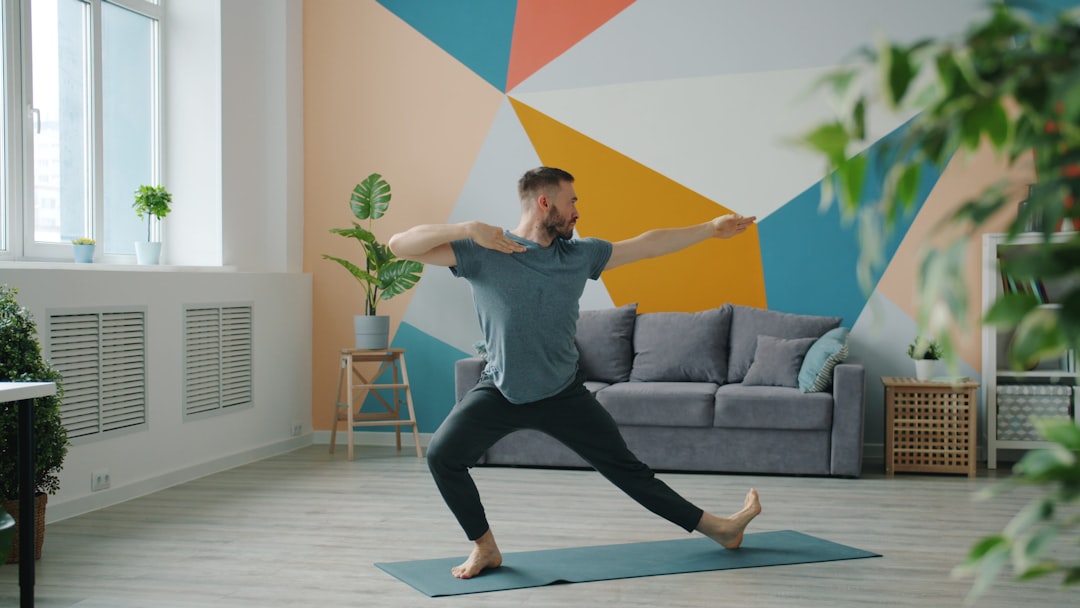
A short vinyasa flow improves mobility, breath control, and mental clarity, all from your living room carpet. Sequence sun salutations with standing balance poses and seated stretches to lengthen tight muscles.
Focus on full breaths and fluid transitions, holding key stretches for five to eight breaths. This session pairs well with active recovery days or as a warmup before strength work.
Heads Up: If hamstrings feel tight, bend the knees slightly in forward folds and work gradually toward greater range over weeks.
Pilates Core Blast: Strong Midsection
Pilates emphasizes controlled movement and core engagement to build a stable, functional midsection. Try a 12-minute circuit of hundred pulses, single-leg circles, roll-ups, and plank leg lifts.
Keep the pelvis neutral and draw ribs toward hips during each rep to protect the lower back and get more from every move. Small daily sessions deliver steady improvements in posture and balance.
Worth Knowing: Quality beats quantity for Pilates, aim for precise control rather than high rep counts to activate deep abdominal muscles.
Low-Impact Cardio to Protect Joints
Low-impact options like marching with high knees, side steps with arm reaches, and chair-supported step-ups raise heart rate without pounding joints. Circuit these moves for 20 to 30 seconds each with brief rests.
This approach preserves intensity by focusing on continuous movement and arm drive. It suits beginners, returning exercisers, or anyone managing joint pain who still wants cardiovascular benefits.
Pro Tip: Use a chair for balance when introducing step-ups and gradually increase step height as stability improves.
Stretch and Recovery Routine for Busy Days
After a short workout, a targeted stretch session speeds recovery and reduces soreness. Spend two to three minutes on each tight area: calves, hip flexors, chest, and neck, using slow holds and controlled breathing.
End with a few minutes lying supine with knees hugged, which soothes the nervous system and lowers cortisol. Consistently finishing workouts with recovery work keeps you moving more often and reduces setbacks.
Quick Tip: Set a gentle timer for two minutes per stretch to ensure consistency and avoid skipping recovery when time feels limited.
Family-Friendly Mini Workout for All Ages
Turn exercise into play with partner squats, toy toss lunges, standing crab reaches, and simple dance intervals. Short, varied activities keep kids engaged and let adults sneak in strength and cardio.
Make it a daily tradition for 10 to 15 minutes, and mix in balance challenges or friendly competitions to raise motivation. This style builds habits, models healthy behavior, and creates movement without a gym.
Expert Insight: Keep sessions lighthearted and short, and celebrate participation more than performance to build sustainable family routines.
Keep Moving, Keep Improving: Which Quick Workout Will You Try First?
Pick a session that matches your time and energy, then stick with it three times a week to notice real gains. Which of these nine living room workouts are you trying today, and what time block will you use for it?